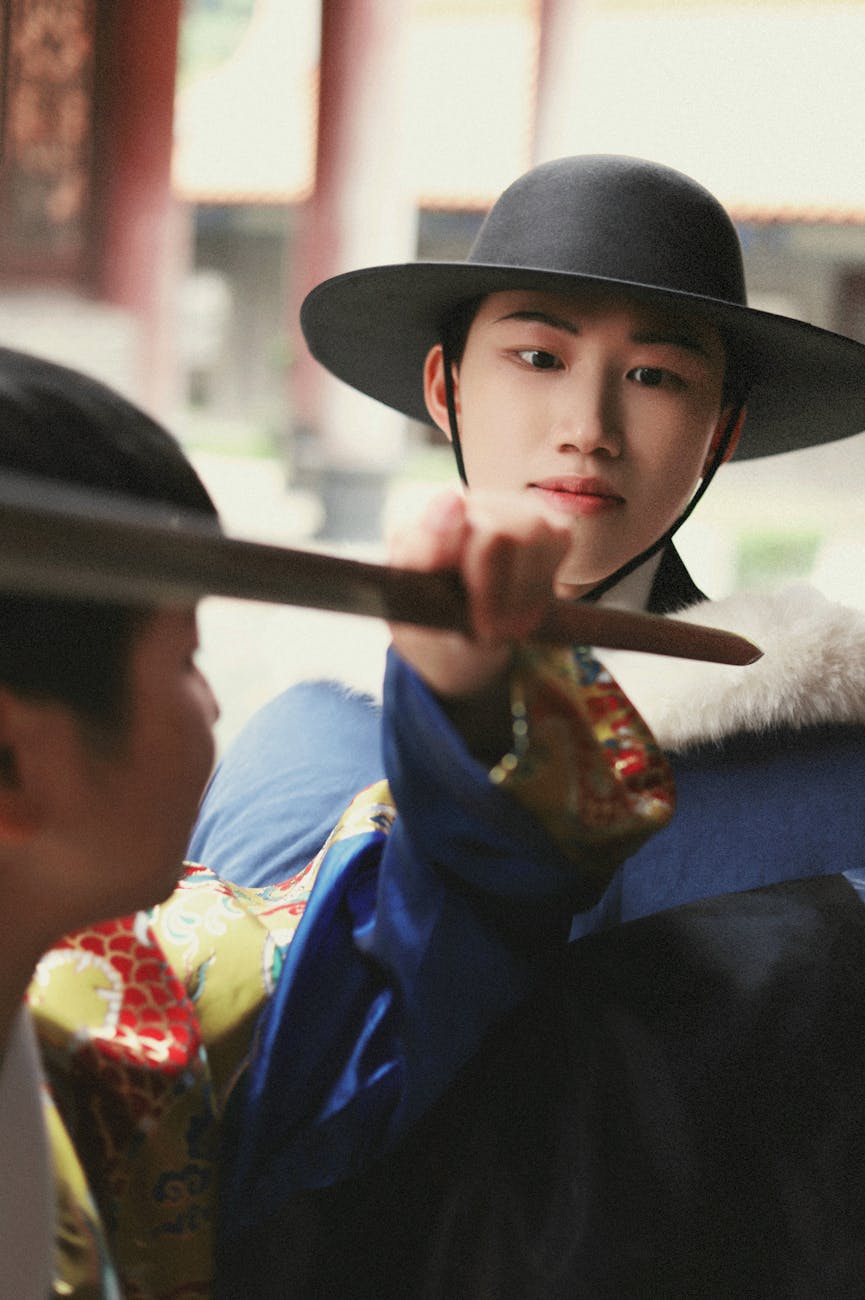
The global surge of K-Dramas has introduced millions to the complex and captivating world of Korean history. For dedicated fans of sageuk (historical dramas), Netflix has become an indispensable treasure trove, offering high production value and compelling narratives that span centuries, from the unification of the Three Kingdoms to the final days of the Joseon Dynasty. These dramas are not just entertainment; they are immersive history lessons delivered through powerful acting, stunning cinematography, and intricate political intrigue. Whether you are seeking tales of royal romance, epic battles, or intense court power struggles, Netflix provides access to some of the most critically acclaimed historical K-dramas ever made. This guide will navigate the streaming giant’s offerings, highlighting the essential, must-watch sageuks that every serious fan should add to their queue, ensuring a deep dive into the rich tapestry of Korea’s past.
Understanding the appeal of the sageuk genre
The sageuk genre holds a unique place in Korean television, distinguishing itself through its commitment to portraying historical periods, often focusing intensely on the Joseon Dynasty (1392-1897) due to its extensive documentation and dramatic potential. What makes these dramas universally appealing is their ability to blend documented history with compelling fictional elements. They explore timeless themes: loyalty, betrayal, class struggle, and the burden of leadership. Unlike purely fictional genres, sageuks often require meticulous research in costume design, architecture, and court protocol, providing viewers with an aesthetically rich and surprisingly educational experience.
The plots are typically driven by high stakes. A simple court misunderstanding can lead to the downfall of powerful families, and romantic relationships are frequently complicated by political alliances and mandated social hierarchy. Furthermore, modern sageuks have successfully evolved, moving beyond rigid historical recounting to incorporate genres like mystery (as seen in some investigative historical pieces) and even fantasy elements, broadening their audience while still respecting the core historical setting. The grandeur, the deep emotional resonance, and the complex characterizations of historical figures—from benevolent kings like Sejong the Great to infamous tyrants—are the pillars of the genre’s enduring popularity.
The Joseon dynasty: politics and power struggles
The Joseon era dominates Netflix’s sageuk catalog, and for good reason. This period, which lasted over five centuries, was marked by Confucian societal structure, intense factional strife, and significant cultural and scientific advancements. Dramas set in this period often focus on the royal court and the internal conflicts that shaped the nation.
A prime example of a gripping Joseon political drama is Kingdom. While infused with a thrilling zombie twist, its political foundation is solid. Set during a tumultuous period of succession disputes, it meticulously details the oppressive hierarchy and the deadly schemes orchestrated by the powerful Haewon Cho clan to maintain control during a King’s illness. The drama effectively uses the historical setting—its beautiful, yet vulnerable capital and the deep chasm between the noble and common classes—to enhance the horror and urgency of the plague’s spread. It is an excellent blend of genre entertainment built upon authentic Joseon political dynamics.
Another essential watch is The King’s Affection, which explores gender roles and court intrigue. Though fictional, it portrays the restrictive environment of the royal palace where secrets and identities must be fiercely protected, often at the cost of personal happiness and freedom. These dramas offer more than just costume displays; they are deep dives into the moral compromises required to survive within a strictly codified, monarchical system.
| Drama Title | Historical Period Focus | Key Themes |
|---|---|---|
| Kingdom | Late Joseon (Fictionalized) | Succession, class struggle, epidemic response |
| The King’s Affection | Early/Mid Joseon | Gender identity, court secrecy, royal romance |
| Mr. Sunshine | Late Joseon/Early Empire | Resistance, modernization, international relations |
| Hwarang: The Poet Warrior Youth | Silla Kingdom | Unification, youth military training, brotherhood |
Beyond the palace: tales of resistance and modernization
Not all essential historical dramas confine themselves to the walls of the royal court. Some of the most poignant and critically acclaimed sageuks available on Netflix focus on transitional periods, showcasing how Korea navigated foreign influence, war, and the painful march toward modernization in the late 19th and early 20th centuries.
Mr. Sunshine stands out as a cinematic masterpiece that documents the waning years of the Joseon Dynasty and the foundation of the Korean Empire (1897-1910). Set primarily in Hanseong (modern Seoul), the series is a heartbreaking portrayal of patriotism and resistance against encroaching Japanese imperialism. It captures the spirit of the “Righteous Army,” ordinary citizens who took up arms to defend their homeland. The drama is complex, focusing on characters caught between traditional Joseon values and the relentless forces of modernity. It delves into the establishment of foreign legations, the struggle for national sovereignty, and the diverse perspectives of Koreans—from those advocating for rapid westernization to those fighting for the preservation of ancient traditions. Viewing this drama is crucial for understanding the historical context that precedes modern Korea, offering a sobering look at a nation’s battle for survival.
This period of transition often highlights the roles of historically marginalized groups, such as women and lowborn soldiers, who become unlikely heroes in the fight for national identity, demonstrating that valor transcended social status even in the highly stratified society of late Joseon.
Exploring the early kingdoms: epic battles and origins
While Joseon dominates, Netflix also provides windows into earlier, formative periods of Korean history, such as the Three Kingdoms period (Goguryeo, Baekje, and Silla) or the Unified Silla era. These dramas tend to focus less on meticulous court procedures and more on epic nation-building, military strategy, and the philosophical origins of Korean culture.
Dramas set in these earlier eras, such as Hwarang: The Poet Warrior Youth (set in the Silla Kingdom), are essential for understanding the foundations of the peninsula’s unification. While often highly fictionalized to appeal to a younger audience, Hwarang explores the concept of the elite, beautifully trained youth military corps established to unify the divided peninsula. These dramas emphasize martial arts, political maneuvering between competing kingdoms, and the foundational myths and legends of Korean identity. They offer a refreshing counterpoint to the political stasis often depicted in Joseon dramas, showcasing periods of dynamic territorial expansion and fierce competition for dominance. For fans interested in the ancient roots of Korean society and its military traditions, these epic sageuks provide a visually stunning and dramatically engaging perspective on the genesis of the nation.
The availability of these diverse historical settings ensures that Netflix caters to every type of sageuk enthusiast, providing narratives that range from grand, battle-filled epics to intimate, high-stakes court thrillers.
Netflix’s selection of historical Korean dramas provides an unparalleled gateway for sageuk fans to explore the depth and drama of Korea’s long and compelling past. We have journeyed through the strict Confucian politics of the Joseon Dynasty, analyzing how dramas like Kingdom and The King’s Affection use the royal court as a stage for high-stakes intrigue and human tragedy. We also examined critical transitional periods, highlighting Mr. Sunshine’s powerful depiction of modernization, resistance, and the heartbreaking fight for national sovereignty in the face of foreign invasion. Finally, we touched upon the appeal of early kingdom dramas, which focus on the epic military strategies and foundational myths that shaped the peninsula. These titles collectively represent the pinnacle of the genre, offering historical richness, complex character arcs, and world-class production values. By engaging with these must-watch sageuks, viewers are not simply watching television; they are engaging in a comprehensive, dramatic history lesson, deepening their appreciation for the cultural and historical forces that forged modern Korea.
Image by: 凯文 罗
https://www.pexels.com/@462562835
Geef een reactie